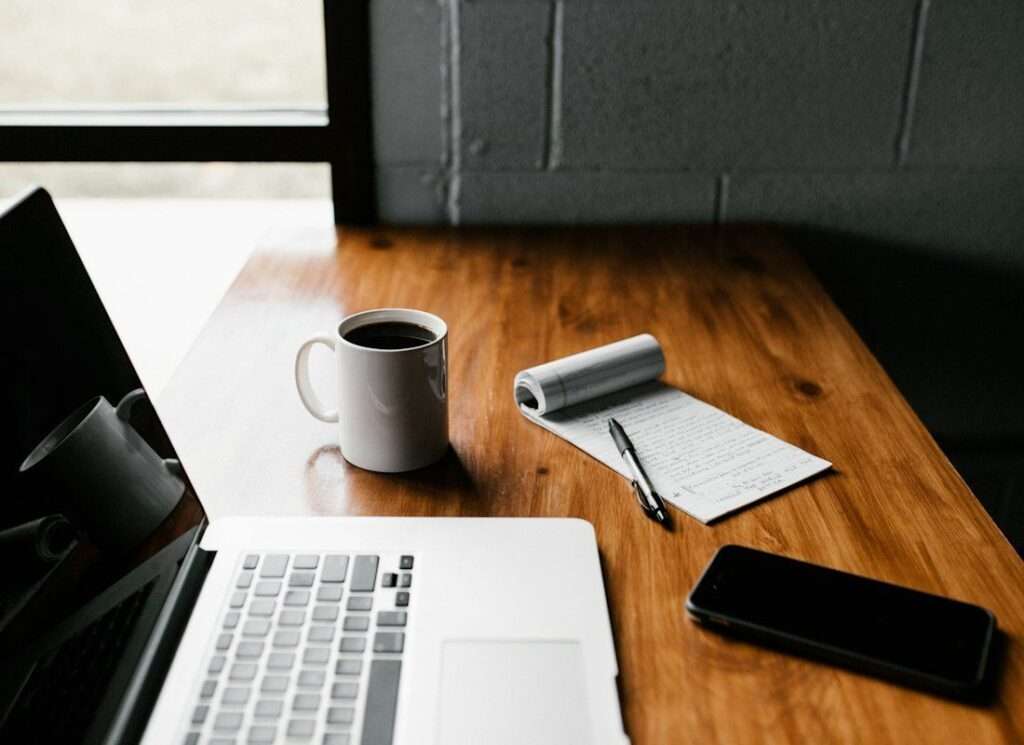
You start the day fine. By mid-afternoon your lower back feels tight and achy, and standing up from your desk takes a second. A new chair didn’t fix it. A standing desk helped a bit, then didn’t.
The short version
- Your back doesn’t hate sitting.
- It hates staying in any one position for hours with weak hips and a stiff upper back doing nothing to help.
- Movement breaks plus stronger glutes and core fix far more than a perfect chair.
The chair isn’t the main problem
There’s no single “correct” posture. The research on posture and back pain is surprisingly weak. What matters much more is how long you stay still. Any position held for hours makes tissues stiff and achy, even good ones.
Your hips stop helping your back
When you sit for most of the day, the glutes switch off and the hips get stiff. Then when you stand, walk or lift, your lower back ends up doing work your hips should be doing. That extra load shows up as tightness.
Whether your hips, your core or your upper back is the weak link is different for everyone, and that’s the first thing I check when someone comes in with desk-related back pain. See how the $79 intro works →
What actually helps
- Move every 30–45 minutes. Stand, walk to refill water, do five bodyweight squats. Small and often beats one long stretch session.
- Strengthen your glutes. Glute bridges, hip hinges and step-ups give your back its helpers back.
- Train your core to resist, not crunch. Planks, dead bugs and carries build the kind of support your back needs.
- Keep your upper back mobile. A stiff upper back pushes more movement into the lower back.
Stretching alone won’t do it
Stretching a tight back feels good for a few minutes because tightness is often your body protecting a weak area. Strength is what lets it relax for good.
A desk-friendly movement routine
You don’t need a full workout during the day. Try this two-minute reset every hour or so:
- 5 bodyweight squats or sit-to-stands from your chair
- 5 standing back extensions with hands on your hips
- 5 hip hinges, pushing your hips back as if closing a car door with your bum
- 30 seconds of walking, even if it’s just to the kitchen
It sounds almost too simple, but breaking up long periods of sitting is one of the most effective things you can do for a cranky lower back.
What about your evenings and weekends?
Many Vancouver professionals sit at a desk all day, then sit in the car, then sit on the couch. Two or three strength sessions a week, plus regular walks, give your back something completely different to do. A strong back and hips tolerate sitting far better than weak ones.
Common questions
Is a standing desk worth it?
It can help, mainly because it makes it easier to change position. Standing all day causes its own aches. Alternating between sitting and standing, plus moving often, works best.
Should I see a chiropractor or a trainer for desk-related back pain?
If the pain is new, severe or comes with numbness or leg symptoms, see a physio or doctor first. For ongoing stiffness that builds through the day, strength and movement work is usually what makes the lasting difference.
Do you train people who work downtown?
Yes. My studio is in downtown Vancouver, so many clients train before work, at lunch or straight after the office.
Tired of fighting your back every afternoon?
Start with a movement assessment in my private downtown Vancouver studio. We’ll find out why your back is working overtime and build a plan that fits around your workday. Two sessions, $79.
Questions first? Text me
This article is general education, not medical advice. If you have severe, worsening or unexplained pain, numbness, or pain after an injury, see your doctor or physiotherapist first.